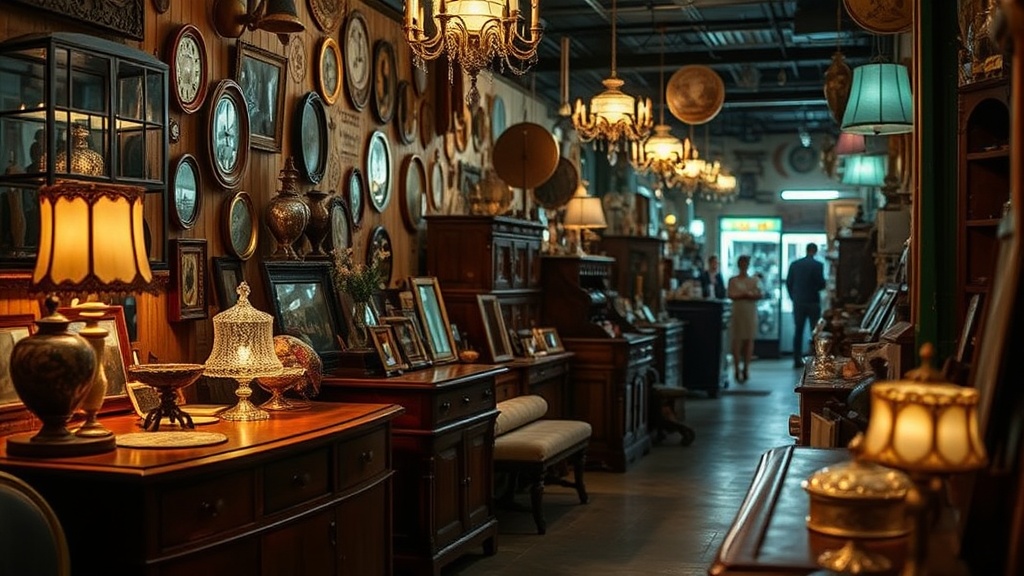
Finding Hidden Gems at the St. Thomas Antique District

Nearly 40% of all items found in antique shops are actually high-quality vintage pieces that have been undervalued by modern mass-production. This post breaks down exactly how to scout the St. Thomas antique district, identify high-value items, and time your visits to score the best deals in Elgin County. We'll look at specific locations, what to look for in metal and wood, and how to spot genuine mid-century pieces versus modern reproductions.
Where Should I Start My Antique Hunt in St. Thomas?
The best way to start is by hitting the cluster of shops near the downtown core and the industrial outskirts of St. Thomas. You shouldn't try to hit every shop in one go—you'll burn out before you find the good stuff. Instead, focus on the specialized dealers who specialize in specific eras, like the 1950s or the Victorian era, rather than the general junk shops.
Many of the best finds aren't even in the front window displays. They are tucked away in the back of warehouses or in the smaller, less visible storefronts along the side streets. If you see a shop that looks a bit unpolished from the outside, don't skip it. Often, the best deals are found in the places that don't spend a fortune on window displays.
If you're looking for a way to fuel your hunt, you might want to start by finding the best local coffee roasts in St. Thomas to keep your energy up. A caffeine hit is definitely required when you're digging through crates of vintage glassware.
The Three Types of Antique Shopping in Our Area
- The Curated Boutique: These shops are highly organized. You'll find high-end mid-century modern furniture or designer vintage decor. Prices are higher here, but the quality is vetted.
- The Estate Sale Specialist: These dealers focus on liquidating large collections. This is where you find real history—think heavy brass items or old family silver.
- The "Everything" Shop: These are the treasure troves. They are messy, unorganized, and require patience. This is where the real bargains live.
How Do I Tell if a Piece is Real Vintage or a Reproduction?
Look closely at the weight, the seams, and the manufacturer marks to determine authenticity. A genuine vintage item will almost always have more weight and a different "feel" than a modern plastic or lightweight metal imitation. If you're looking at a piece of jewelry or a small metal item, the weight is your first clue.
Check the underside of ceramics or the bottom of glassware. Authentic pieces from the early 20th century often have stamped marks or hand-painted details that a modern machine can't easily replicate. For example, if you're hunting for Wedgwood or Pyrex, the maker's mark is usually quite distinct. If it looks too perfect or has a "Made in China" sticker, it's likely a modern reproduction.
Pro-Tips for Identifying Quality:
- The Smell Test: Old wood should smell like aged timber or wax, not fresh chemicals or cheap lacquer.
- The Seam Test: Look at the seams on clothing or textiles. Older items often have hand-finished edges or much tighter, more durable stitching than modern fast-fashion.
- The Magnet Test: If you are looking at "silver" or "gold" plated items, a magnet is your best friend. Most high-quality vintage silver or brass won't be magnetic.
If you're interested in the science of how materials age, the Wikipedia page on antiquities provides a great foundation for understanding how different materials react to time. It helps to know what you're actually looking at before you spend your money.
How Much Should I Pay for Antique Furniture?
Pricing depends entirely on the condition, the maker, and the current market demand for that specific style. You shouldn't expect to pay a premium price for something that needs significant repair unless you are a specialist. In the St. Thomas area, you'll find a wide range of prices depending on whether you're at a high-end boutique or a local estate sale.
| Item Type | Estimated Low End (Fair Condition) | Estimated High End (Excellent/Designer) |
|---|---|---|
| Mid-Century Sideboard | $200 | $800+ |
| Vintage Brass Lamp | $15 | $60 |
| Victorian Era Mirror | $50 | $250 |
| Vintage Pyrex Dish | $10 | $45 |
Don't be afraid to haggle. Most independent antique dealers in Ontario are open to reasonable offers, especially if you're buying multiple items. If you see a piece that's a bit dusty or has a minor scratch, use that as leverage. A little bit of negotiation can save you a significant amount of money.
That said, don't try to lowball a dealer on a piece that is clearly a high-value designer item. If you see a piece of Herman Miller furniture, the dealer knows exactly what it is. Trying to get a deep discount on a museum-quality piece usually won't work and might even get you kicked out of the shop (it happens more than you'd think).
What are the Best Times to Visit the Antique District?
The best time to shop is during the weekday mornings or early Saturday mornings before the crowds arrive. If you want to find the absolute best items, you need to be there when the shops are actually receiving new stock. Most dealers receive their shipments or "pickings" early in the week.
Avoid coming in on a busy Sunday afternoon. You'll be fighting for space in the aisles, and you won't be able to see the items clearly. Plus, the best pieces are often snatched up by the "regulars" who show up early. If you want to be a regular, you'll eventually have to start showing up at 10:00 AM on a Tuesday.
It's also worth noting that many local antique-related events or community markets happen in the spring and fall. If you enjoy the community aspect of local shopping, you might enjoy exploring the best seasonal farmer's markets in Elgin County. While they focus on food, the atmosphere and the "hunt" for local goods are very similar.
If you're looking for something specific, like a certain type of vintage kitchenware, don't be afraid to ask the shop owner. They often have more items in the back or in storage that aren't currently on the floor. It's a great way to build a relationship with the local dealers.
"The best antique finds aren't found by looking; they're found by observing the details most people ignore."
Keep your eyes peeled for those small details—the weight of the metal, the grain of the wood, and the authenticity of the marks. Happy hunting!
Steps
- 1
Research Local Antique Rows
- 2
Set a Specific Budget
- 3
Inspect Items for Quality
- 4
Ask Sellers About Provenance