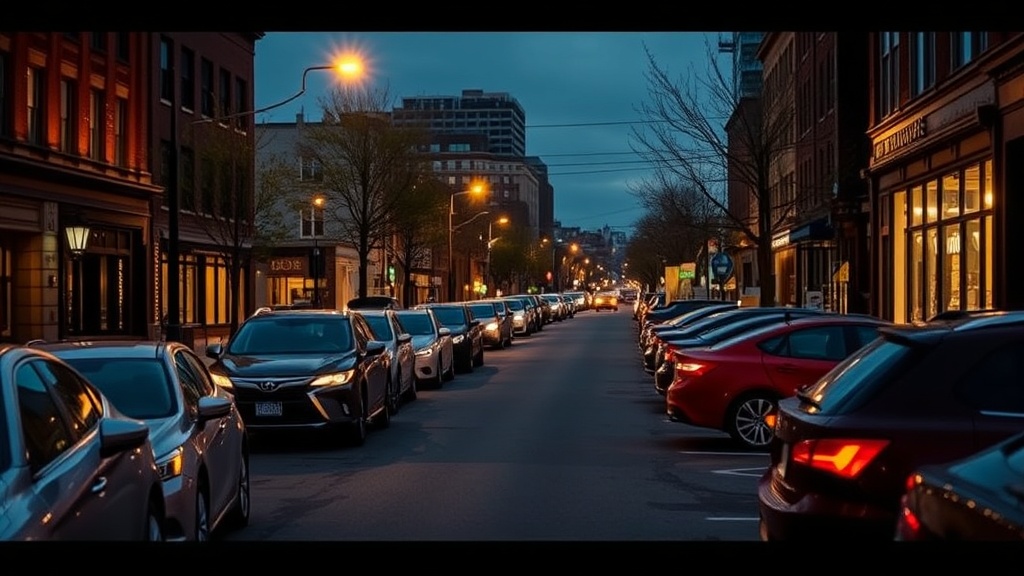
How to Park Smart in Downtown St. Thomas Without the Headaches

Ever circled the block three times looking for a spot near the St. Thomas Elevated Park, only to wonder if you’re about to get ticketed? Parking in our city center shouldn’t feel like solving a puzzle, yet plenty of us have stood squinting at signs on Talbot Street trying to decipher time limits, permit zones, and payment options. Whether you’re running errands, meeting friends for coffee, or heading to a council meeting at City Hall, knowing the local parking rules saves you money, stress, and the occasional angry note under your windshield wiper.
St. Thomas has a mix of street parking, municipal lots, and private lots spread across the downtown core and surrounding neighborhoods. The rules change depending on where you are—what works on Manitoba Street might get you fined on Railway Street. This guide breaks down exactly how to park legally, where to find free spots (yes, they exist), and how to handle permits if you live or work in the core.
Where Can I Park for Free in St. Thomas?
Free parking does exist in St. Thomas—you just need to know where to look. The city maintains several municipal lots that don’t charge a dime, though time limits still apply in most cases. The lot behind the St. Thomas Public Library on Curtis Street offers two-hour free parking, which is plenty of time for a visit to the library, a stroll down Talbot Street, or a meeting at the nearby Service Canada office. Just watch the clock—overstaying means a ticket.
Another solid option is the lot near the Elgin County Railway Museum on Wellington Street. This lot tends to have more availability than the Talbot Street corridor and puts you within easy walking distance of the downtown shops. Street parking on side streets like Princess Avenue and Queen Street often has longer time limits—sometimes up to three hours—and no meters to feed. These spots fill up quickly during weekday business hours, so arriving before 9 AM improves your odds.
If you’re attending an event at the St. Thomas-Elgin Memorial Arena or the St. Thomas Aquatics Centre, both facilities have dedicated parking lots that are free for visitors during operating hours. Just avoid parking in spots marked for permit holders or specific user groups—those are enforced regularly, and the fines aren’t cheap.
How Do the Parking Meters and Payment Options Work?
Downtown St. Thomas uses pay-and-display meters along Talbot Street, Railway Street, and portions of Manitoba Street. Most meters accept coins, credit cards, and smartphone payments through the Flowbird app. The hourly rate varies by zone but typically runs around $1.50 per hour in the high-demand core, dropping to $1.00 per hour on outer blocks.
Time limits matter here. Most metered spots enforce a two-hour maximum during business hours (8 AM to 6 PM, Monday through Saturday). After 6 PM and all day Sunday, parking is free at meters—a detail many newcomers miss. If you’re planning a dinner at a local restaurant or an evening event, you won’t need to plug the meter.
The city installed new smart meters in 2023 that send alerts when your time is about to expire. If you download the Flowbird app and register your license plate, you’ll get a notification ten minutes before your session ends. You can extend your time remotely up to the maximum limit for that zone—no need to sprint back to your car in the rain. The City of St. Thomas official website has a detailed map of meter zones and current rates if you want to check specifics before heading out.
What Are the Residential Permit Parking Rules?
If you live in the downtown core—roughly bounded by Railway Street, Southwick Street, Curtis Street, and First Avenue—you’re probably familiar with the frustration of coming home to find your usual spot taken by someone attending an event or working nearby. St. Thomas offers residential parking permits for eligible addresses in this zone, allowing residents to park without time limits in designated permit-only spaces.
To qualify, you need to provide proof of residence (a utility bill or lease agreement) and vehicle registration matching your St. Thomas address. Permits cost $50 annually for the first vehicle and $25 for additional vehicles at the same address. You can apply at the City Hall cashier desk on 545 Talbot Street or submit your application online through the city’s parking services portal. Processing takes about five business days, and you’ll receive a physical permit sticker for your windshield.
Permit zones are marked with green signs that read “Resident Parking Only” and display the zone number. Make sure you park in a spot matching your permit zone—Zone A permits won’t protect you in a Zone B spot. By-law enforcement officers patrol these areas regularly, especially during weekday business hours, and tickets for parking without a valid permit start at $40.
How Do I Handle a Parking Ticket or Dispute?
Mistakes happen. Maybe the meter was broken, the signage was unclear, or you genuinely thought Sunday was exempt (it is, but only after 1 PM in some lots—check carefully). If you receive a parking ticket in St. Thomas, you have 15 days to either pay or dispute it. After that, late fees kick in and the city can place a hold on your vehicle registration renewal.
To pay, visit the city’s online payment portal or drop by the cashier at City Hall during business hours. The city accepts credit cards, debit, and cash. If you believe the ticket was issued in error, you can request an administrative review within those same 15 days. Submit your dispute through the St. Thomas parking services page along with any evidence—photos of unclear signage, receipts showing you paid, or documentation of a broken meter.
For more serious disputes, you can request a court hearing through the Provincial Offences Office. This option takes longer but gives you a formal setting to present your case. Keep copies of everything: the original ticket, your correspondence with the city, and any photos or witness statements. Most disputes are resolved at the administrative review stage, so don’t ignore the ticket hoping it goes away—it won’t.
What About Accessible Parking and Special Accommodations?
St. Thomas follows provincial standards for accessible parking. Spaces marked with the international symbol of accessibility are reserved for vehicles displaying a valid Accessible Parking Permit. These spots are located close to building entrances throughout the downtown core, including near the St. Thomas Mall, the Elgin County Administration Building, and City Hall.
If you have a permit but find all accessible spaces occupied, you can park in any regular spot without paying at meters—your permit covers you. Just display it clearly on your dashboard or rearview mirror. The city takes accessible parking enforcement seriously; fines for parking in an accessible spot without a permit start at $300.
For temporary disabilities or medical appointments, short-term accommodations are available. Contact the St. Thomas Parking Enforcement office at 519-631-1680 to discuss options if you have mobility challenges but don’t have a permanent permit. They can often arrange temporary access to reserved areas or extend time limits for specific medical appointments.
Are There Parking Options for Downtown Workers and Business Owners?
If you work in downtown St. Thomas, feeding the meter every two hours quickly becomes expensive and impractical. The city offers monthly parking passes for downtown employees, giving you access to designated lots and some street areas without daily hassle. These passes cost $45 per month and are valid in specific lots marked with “Monthly Permit” signage.
The main monthly permit lot sits behind the Railway City Brewing Company building on Railway Street, with additional spaces in the lot adjacent to the St. Thomas Downtown Development Board office on Curtis Street. Both locations are within a five-minute walk of most downtown businesses. You can purchase monthly permits through the same portal used for residential permits, or in person at City Hall.
Some employers in the core also lease private parking spaces for their staff. If you’re new to a downtown job, ask your employer about parking benefits—many businesses have arrangements you might not know about. The St. Thomas Downtown Development Board also maintains a resource page for downtown workers with parking maps, bike rack locations, and transit connections if you want to leave the car at home.
Parking smart in St. Thomas comes down to reading signs carefully, knowing your options, and planning ahead. The downtown core is compact and walkable—once you find a spot, everything from the Elgin County Courthouse to the heritage buildings along Talbot Street is within a few blocks. Take a minute to scope out free lots, download the payment app before you need it, and keep that residential permit up to date. Your wallet—and your blood pressure—will thank you.