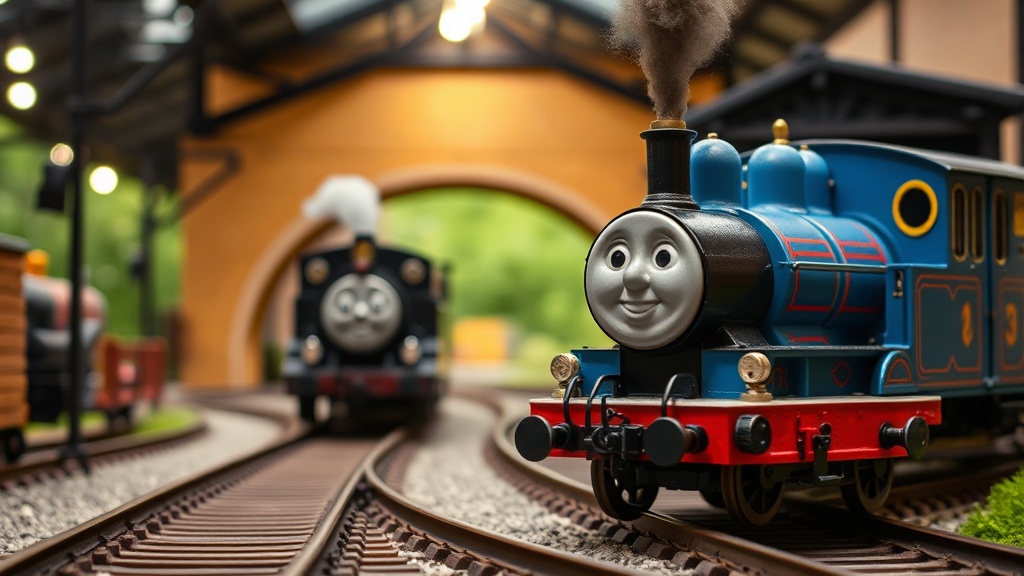
Walking Through History Along the St. Thomas Central Model Railway

The rhythmic clack-clack of miniature wheels on steel tracks echoes through the air, accompanied by the scent of aged wood and much-loved machinery. The St. Thomas Central Model Railway isn't just a hobbyist's display; it's a massive, living-history exhibit that captures the industrial soul of our town. This post looks at how this massive scale model preserves our local heritage, what you can expect to see during a visit, and why it remains a cornerstone of the Elgin County community.
Walking through the display, you realize it’s much more than just tiny trains. It’s a meticulously crafted recreation of the era when St. Thomas was a bustling railway hub. You'll see miniature versions of the very buildings and landscapes that once defined our skyline. It’s a bit overwhelming at first—the sheer level of detail is staggering.
What is the St. Thomas Central Model Railway?
The St. Thomas Central Model Railway is a massive, highly detailed scale model layout that celebrates the rich railway history of St. Thomas and the surrounding Elgin County area. It serves as both an educational tool and a piece of living art, showcasing the transition from steam to diesel power. The layout is built and maintained by dedicated volunteers who spend countless hours ensuring every tiny detail, from the signal lights to the texture of the gravel, is historically accurate.
It's not just about the trains moving in circles. The layout features a sprawling landscape that includes miniature towns, industrial sites, and even the natural-looking topography of the local region. If you've ever spent time enjoying the Scenic Railway Park during sunset, you'll recognize the spirit of this display. It captures that same sense of nostalgia and local pride.
The craftsmanship involves a mix of different scales, which can be a bit dizzying if you aren't expecting it. Some sections focus on the heavy industrial era, while others highlight the more scenic, rural aspects of Ontario life. It’s a masterclass in precision engineering and artistic vision.
The sheer scale of the project is a testament to the community. You aren't just looking at a toy; you're looking at a labor of love. Most of the components are custom-built or heavily modified to ensure they reflect the specific history of the St. Thomas, Ontario region. This isn't a kit-built set you'd find at a big-box store. It’s a bespoke piece of history.
The Technical Side of the Model
For those who are a bit more tech-savvy or interested in the mechanics, the layout is a fascinating study in electrical engineering and scale physics. The way the power is distributed to keep the tiny locomotives moving smoothly is impressive. It’s a delicate balance of voltage and mechanical precision.
Here is a breakdown of the primary elements you'll notice while walking through the exhibit:
- Locomotives: A variety of steam and diesel engines, many of which are highly detailed replicas of real models used in Ontario.
- Scenery: Hand-painted mountains, miniature forests, and even tiny architectural structures that mimic local landmarks.
- Infrastructure: Realistic switching stations, signals, and track-side details that add to the realism.
- Sound: Many of the modern additions include digital sound systems that mimic the actual noise of a working railway.
Where Can I See the Model Railway?
The St. Thomas Central Model Railway is typically housed and displayed within the local community, often in association with local historical societies or community centers in St. Thomas. Because it is a community-run project, viewing schedules can vary based on the season and local events.
It’s best to check the official local community calendars before heading out. These displays are often part of larger heritage-focused events or seasonal festivals. If you're looking for a quiet afternoon activity, a visit to a local museum or community center where these displays are hosted is a great way to spend time with the family.
Often, these displays are part of a larger circuit of historical-themed events in the area. Sometimes they are linked to the local coffee shops or community hubs during special heritage weekends. It’s always worth a quick search on local social media groups to see if there's a live demonstration scheduled for the weekend.
| Feature | Description | Best For |
|---|---|---|
| Steam Era Section | Focuses on early industrial rail history. | History Buffs |
| Diesel Era Section | Shows the evolution of modern transport. | Tech Enthusiasts |
| Rural Scenery | Captures the Ontario landscape in miniature. | Photographers |
How Much Detail Is Actually in the Layout?
The level of detail is incredibly high, ranging from tiny weathered textures on the locomotive boilers to the miniature vegetation that lines the tracks. Each section of the layout is designed to tell a specific story about how the railway shaped the development of St. Thomas.
You'll notice things like tiny, weathered signal boxes and even the subtle wear and tear on the tracks that makes them look used. This isn't a "perfect" world; it's a realistic one. The goal is to show the grit and the reality of the industrial era. It’s quite a contrast to the polished, shiny models you might see in a standard hobby shop.
The detail extends to the people, too. Small figures are placed throughout the scene—workers near the tracks, people in the miniature town centers, and even tiny figures engaged in daily activities. It adds a layer of life that makes the whole thing feel less like a model and more like a living, breathing moment in time.
One of the most impressive parts is the lighting. The way the light hits the different surfaces—the metallic sheen of the tracks versus the matte finish of the painted landscape—is what gives the display its depth. It’s a visual feast if you're the type of person who enjoys looking at the small stuff (and I certainly am).
The sheer amount of work goes into maintaining this level of detail. It’s not just about building it; it’s about keeping it running. The maintenance of the electrical systems, the cleaning of the tracks, and the constant updates to the scenery are all part of a massive, ongoing effort by local enthusiasts. It's a real labor of love that keeps the history of our town alive and well.
If you're looking for a way to connect with our local history, this is it. It's more than just a hobby—it's a piece of our identity. Whether you're a rail enthusiast or just someone who appreciates fine craftsmanship, the St. Thomas Central Model Railway is a must-see. It reminds us where we came from and the incredible-scale engineering that helped build the world we live in today.